National Science Foundation
The six program directors who set the NSFNET program's direction and funded it.
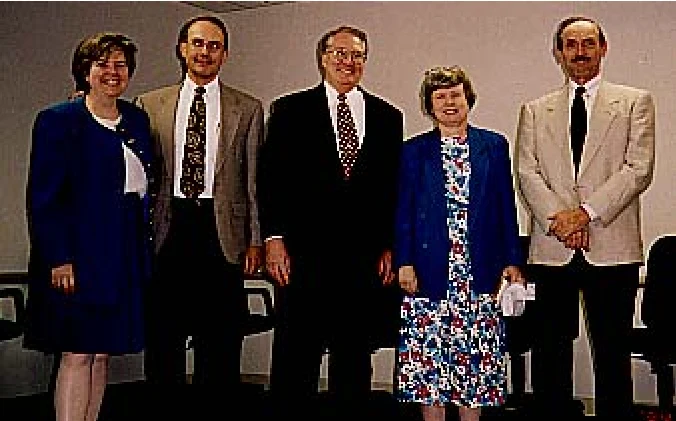
The National Science Foundation set the program’s direction and funded it, and six program directors held that post across the network’s decade of operation.
Dennis Jennings
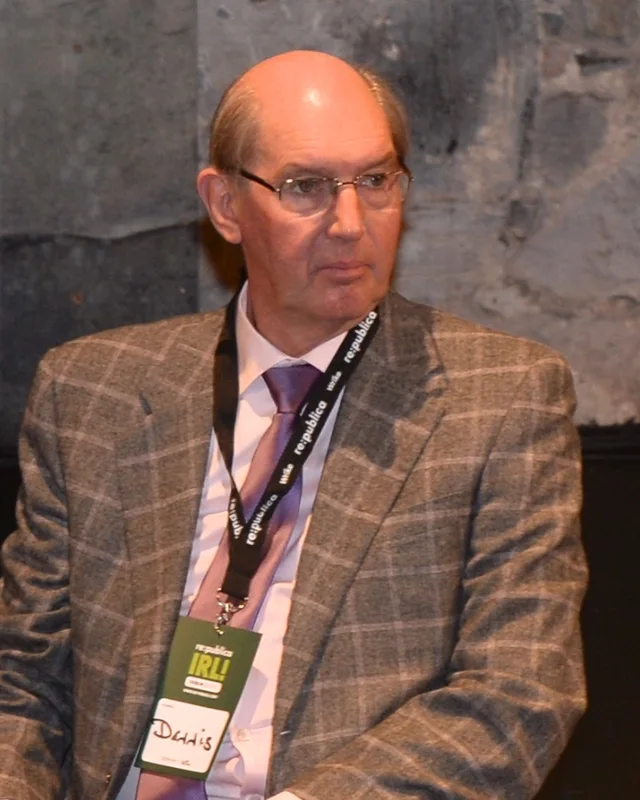
Recruited to NSF from University College Dublin in 1985 as the first NSFNET Program Director, Jennings made the crucial decision to adopt TCP/IP protocols for NSFNET, ensuring compatibility with the emerging internet. Merit’s account calls him the driving force behind the inception of the backbone project. The Internet Hall of Fame, which inducted him as a Pioneer in 2014, records his key contribution as the selection of the DARPA TCP/IP protocol suite and his insistence that it be deployed across the whole of NSFNET. He directed computing services at University College Dublin from 1977 to 1999, and later served on the board of ICANN.
Stephen Wolff
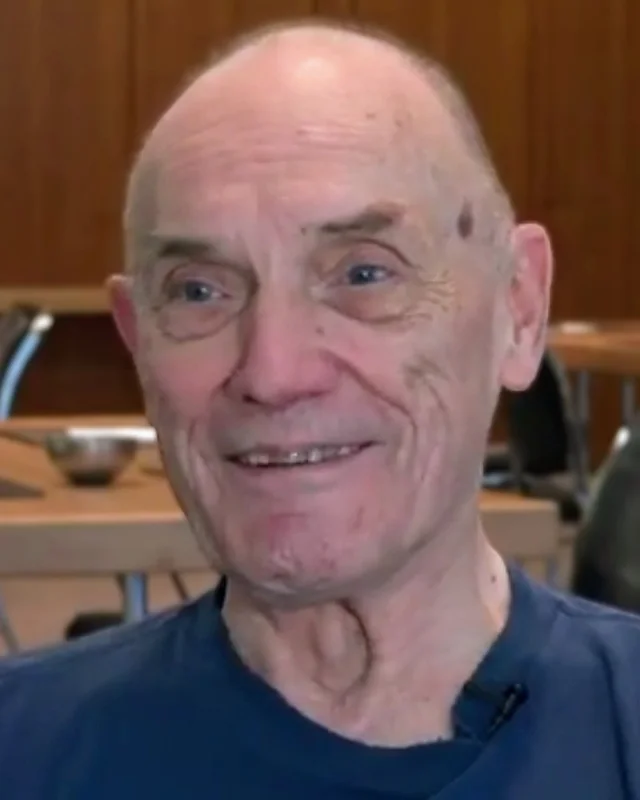
Wolff was a communications engineer at the Army’s research laboratory when he was brought to the National Science Foundation as the second NSFNET Program Director in June 1986. He orchestrated NSFNET’s expansion and developed the strategy for transitioning to commercial internet service providers, and became Division Director of NCRI in September 1987, just before the award to Merit was announced. Al Weis of IBM put his contribution plainly: “There was one person with a lot of guts, a lot of brains, and a lot of vision. And that person was Steve Wolff.” He joined Cisco in 1994, later served as interim vice-president and chief technology officer of Internet2, and was inducted into the Internet Hall of Fame as a Pioneer in 2013.
Jane Caviness
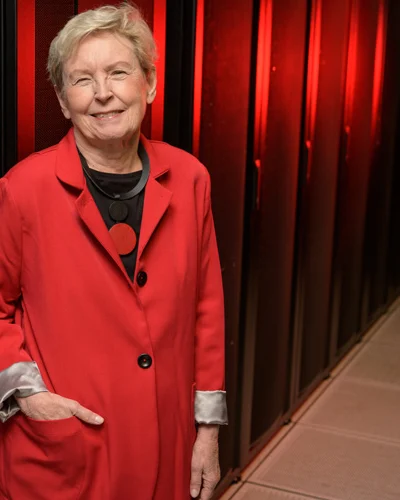
Director of Academic Computing Services at the University of Delaware, Caviness succeeded Wolff as NSFNET Program Director in September 1987 and held the role until 1990, when she became Deputy Division Director of NCRI. Wolff credited her with holding the program together through the years when the regional networks were being built on grants too small to build them: she went to each network in turn, told them the money would not stretch, and asked them to find the rest. In his telling, the academic community came through. She thought the Foundation’s remit was what set it apart, since it served science and engineering generally where other agencies answered to specific missions. “The way we ran the program made it very easy for people to use the backbone, to connect, to do all kinds of tasks,” she said.
Douglas Gale
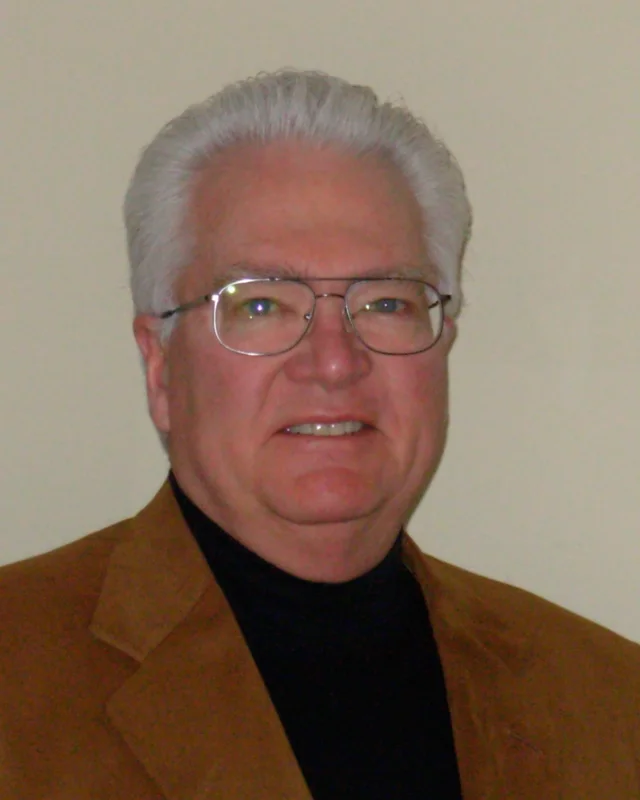
Gale succeeded Caviness as Program Director in 1990. He did much of the background work for the information services component of the 1993 NSFNET solicitation, the competition that would replace the backbone service with commercial providers meeting at public exchange points. He also set up new organizational procedures for the Foundation’s Connections program, which funded campuses onto the network.
George Strawn
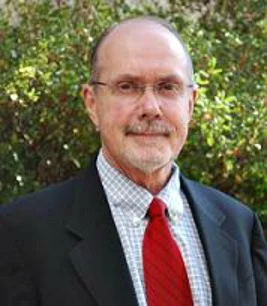
Strawn succeeded Gale in 1991 and was Program Director until March 1993. Merit’s report credits him with being instrumental in realizing the vision for the new NSF architecture: the arrangement of Network Access Points, commercial backbones and a separate very high-speed network for research that took the place of the NSFNET backbone in 1995.
Priscilla Huston
Huston came to NSF in March 1993 from Rice University, where she directed Computing Information Services. Merit’s report, written in 1995, records her as Program Director from 1993; by her own account she held the post until July 1996, through the backbone service’s final years and the transition to commercial providers. Work had just begun on evaluating proposals for the new architecture when she arrived. A past chair of EDUCOM’s Board of Trustees, she described the division of labor between the Foundation and its contractor: “With the NSFNET program, NSF funded and encouraged Merit, but Merit facilitated the meetings, the open discussion, and got industry and others to be proactive.”
Cite this page
NSF.net. “National Science Foundation.” NSFNET: A History of the National Science Foundation Network. Last modified November 22, 2026. https://nsf.net/people/national-science-foundation.
Also in People
Merit Network
The leaders of Merit Network, which managed the NSFNET backbone service from 1987 to 1995.
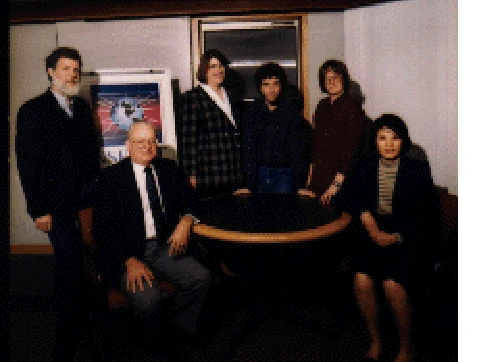
Merit Internet Engineering
The engineers who designed the backbone's routing and brought the regional networks onto it.
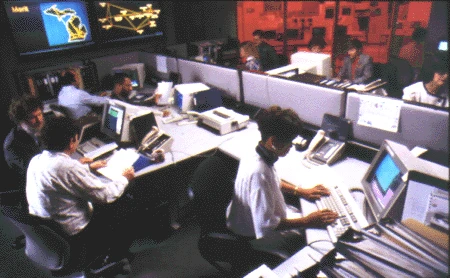
Merit Network Operations Center
The manager and operators who watched the backbone around the clock from Ann Arbor.