World Wide Web
How the web spread across NSFNET, and the tools that were built to author it.
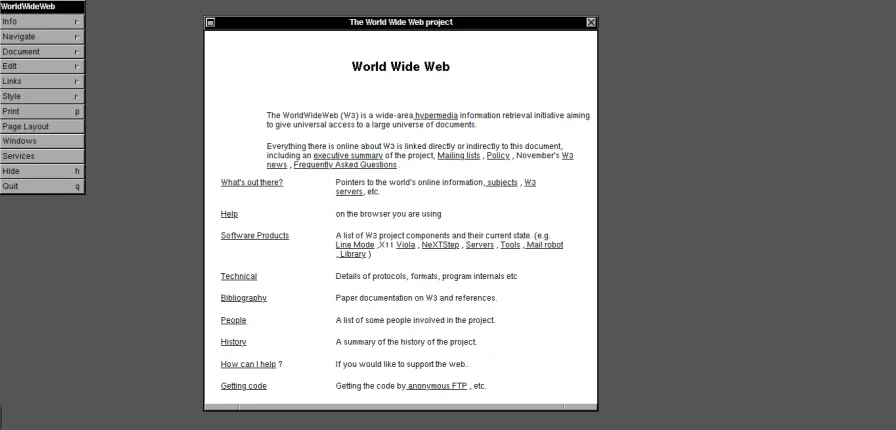
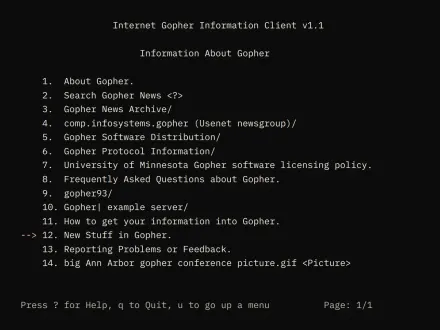
The history of NSFNET and NSF’s supercomputing centers overlapped with the rise of personal computers and the launch of the World Wide Web in 1991 by Tim Berners-Lee and colleagues at CERN. The NSF centers developed many tools for organizing, locating, and navigating through information, including one of the first widely used Web server applications.
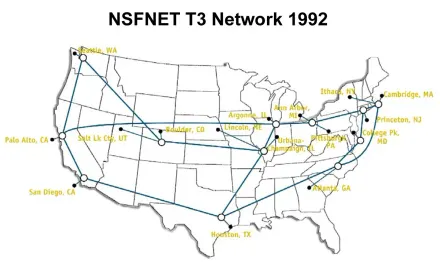
The NSFNET provided the critical infrastructure that allowed the World Wide Web to flourish in the United States. The high-speed backbone facilitated the rapid transfer of HTML documents, images, and later, more complex media types that made the web an engaging platform.
NSFNET’s Role in Web Adoption
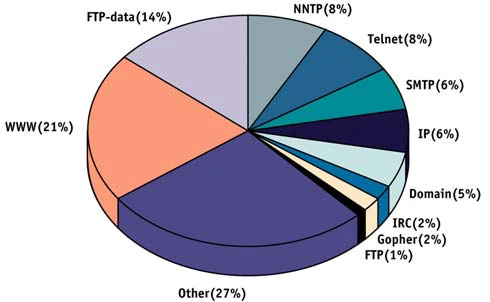
While the World Wide Web was invented at CERN in Switzerland, NSFNET played a crucial role in its rapid adoption and development:
- The high-capacity backbone provided the necessary infrastructure for transferring web content
- NSF-funded supercomputing centers became early adopters and promoters of web technologies
- NCSA HTTPd became one of the most widely used web servers of the early web, and the patches its users circulated in 1995 became the foundation of the Apache HTTP Server
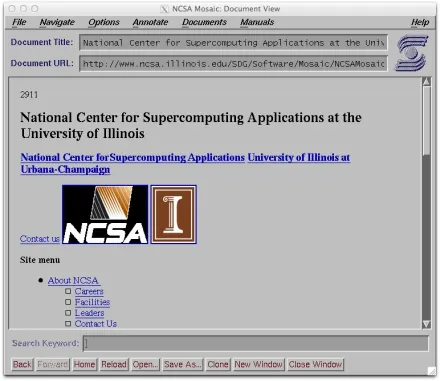
- NCSA Mosaic made the web accessible to non-technical users
- NSF-supported regional networks provided training and support for institutions implementing web services
By 1993, web traffic constituted a significant and rapidly growing portion of NSFNET traffic. The network’s capacity upgrades came at precisely the right time to support this new application, which would soon dominate internet usage.
Web Development Tools
NSF-supported research centers contributed numerous technologies that enhanced the web’s functionality. These included early search engines, directory services, and content management tools that helped users navigate the rapidly expanding web. The combination of NSFNET’s robust infrastructure and these innovative tools accelerated web adoption throughout the research and education communities before spreading to the general public.
Key web technologies developed with NSF support included:
- NCSA HTTPd: One of the first widely-used web server applications. After its development slowed in 1994, the webmasters maintaining patches to it founded the Apache HTTP Server project, which still powers much of the internet
- Common Gateway Interface (CGI): Developed at NCSA to enable dynamic web content, becoming the first standard for interactive web applications
- Virtual Reality Modeling Language (VRML): An early 3D web format specified by Mark Pesce, Tony Parisi, and Dave Raggett following the first World Wide Web conference in 1994, with NSF-supported centers among its earliest adopters
- Harvest/Glimpse: Early web indexing and search technologies that influenced later commercial search engines
These technologies, combined with NSFNET’s high-speed infrastructure, created the conditions for the web’s explosive growth in the mid-1990s.
Learn more about the birth of the World Wide Web at CERN’s Birth of the Web history.
Cite this page
NSF.net. “World Wide Web.” NSFNET: A History of the National Science Foundation Network. Last modified July 30, 2026. https://nsf.net/projects/world-wide-web.